The Best 25 MPH Electric Scooters, Ranked on the Brakes and Tyres That Make That Speed Survivable
At 25 mph, brake type and tyre quality determine whether a scooter is survivable—these picks are ranked on hydraulic discs, tubeless tyres, and stem integrity, not motor watts.
Affiliate links. If you buy through the links below we may earn a commission, at no extra cost to you. How this works.
The Best 25 MPH Electric Scooters Ranked on the Brakes and Tyres That Make That Speed Survivable
A 25 mph electric scooter outruns a cycling commuter on a flat road and covers a 5 km trip in about eight minutes. But the people who crash at that speed do not crash because the motor was too strong. They crash because the brakes could not stop the mass in the space available or the tyres lost grip on a surface the rider did not see until it was too late. The best 25 mph machines are not the ones with the highest wattage. They are the ones whose braking systems and tyre quality can shed that speed without sending the rider over the stem or into a slide. That reorders the entire decision tree. Hydraulic disc brakes, or at minimum a dual braking system that includes a mechanical disc on one wheel and regenerative drag on the other. Pneumatic tyres, preferably tubeless with a self-sealing layer or a car-grade tubeless construction. A folding mechanism that does not develop play in the first 500 km. Those three attributes separate a survivable machine from a disposable one at this speed, and this ranking sorts on those attributes alone.
Why Electronic-Only Braking Fails at 25 MPH
A scooter that relies solely on an electronic motor brake or regenerative braking cannot stop you reliably in the space a real road demands. The reason is physics and battery state. The claimed braking distance of 4 metres from 25 km/h is measured with a 60 kg rider on a high-friction surface using both disc brakes and regenerative drag. The real braking distance for an 85 kg rider on dry asphalt is 6 to 8 metres. If a machine has only electronic braking and the battery is full, regenerative braking cannot activate because the cells have nowhere to put the recovered energy. The rider pulls the lever and nothing happens. Even when the battery is not full, an electronic-only brake provides a fraction of the stopping force of a mechanical caliper. The scooter continues rolling. At 25 mph that is the difference between stopping before the intersection and stopping in it.
Drum Brakes Versus Discs
The Apollo City 2024 uses a drum brake on both wheels combined with a regenerative motor brake, which is better than electronic-only but still falls short of hydraulic disc performance. The Segway Ninebot Max G30P uses a rear mechanical drum with a front regenerative brake. That setup works for a 100 kg rider at 25 mph but the stopping distance is longer than a dual-disc system and the drum brake fades when ridden hard downhill. A scooter that relies on electronic braking alone does not belong on this list.
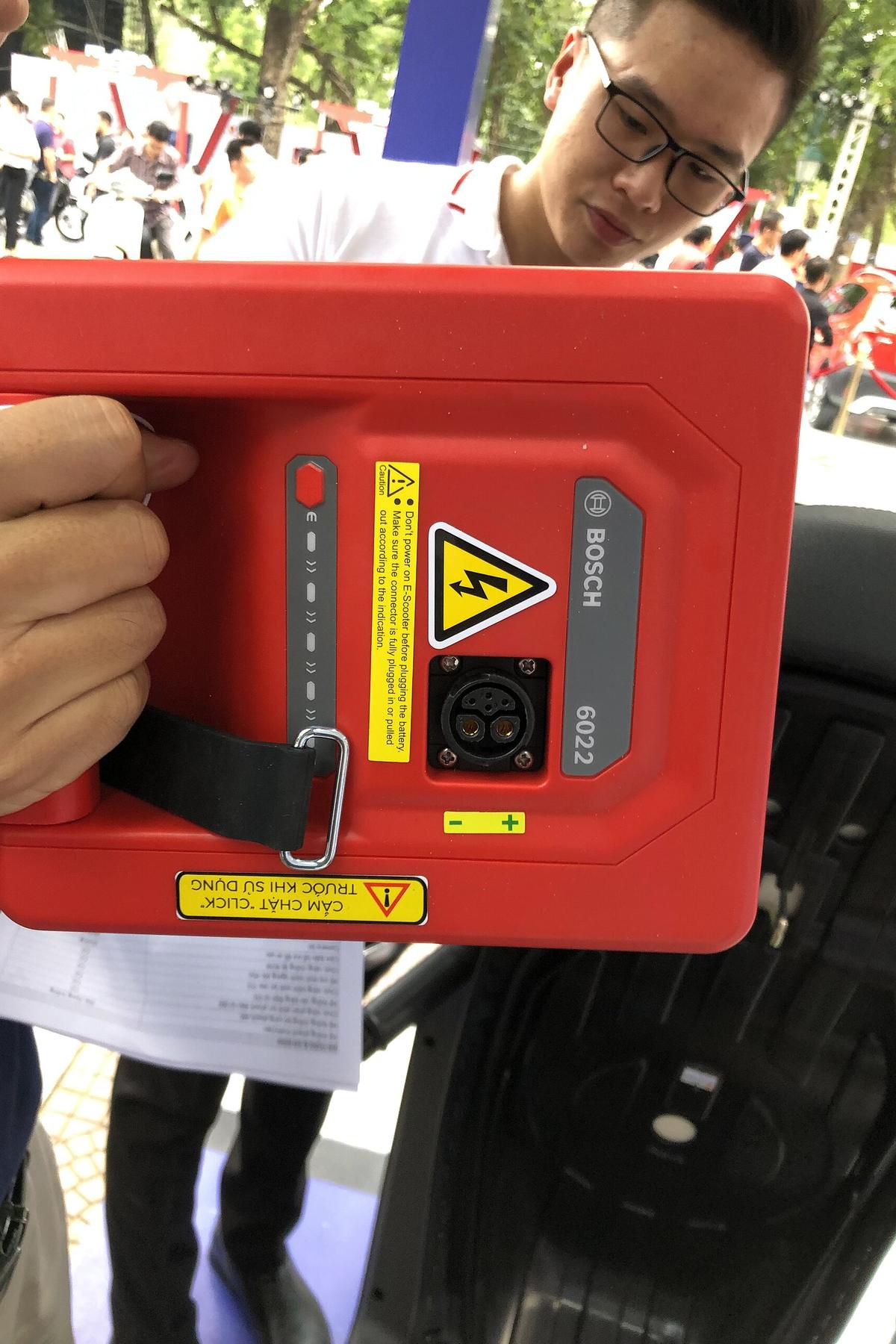

Hydraulic Brakes on a Fast Scooter: What the Spec Sheet Does Not Tell You
Hydraulic disc brakes use fluid pressure to push the caliper pistons against the rotor. They provide consistent stopping power regardless of cable stretch, weather, or how hard you pull the lever. A mechanical disc brake depends on a cable that frays internally at the folding joint, stretches over time, and requires regular tension adjustment. The difference matters most at 25 mph because the margin for error shrinks.
Semi-Hydraulic: A Workable Middle Ground
The EMOVE Cruiser S uses semi-hydraulic disc brakes with a 140 mm rotor on both wheels and a regenerative electronic brake as a third system. Semi-hydraulic means the cable actuates a hydraulic caliper rather than a fully enclosed hydraulic line. It is an improvement over a pure mechanical disc and more serviceable than full hydraulics for a rider who does not want to bleed brakes, but the cable still runs through the folding mechanism and is a wear point.
Mechanical Discs and Pad Wear
The Kaabo Mantis 10 Lite uses mechanical disc brakes with a 120 mm rotor on both wheels and an electronic ABS system that modulates brake force to prevent wheel lock. The mechanical discs work adequately when new but require frequent adjustment. At 25 mph the pad wear is faster than on a slower machine because the rotor spins faster and the rider brakes harder. Budget for pad replacement every 300 km on a mechanical disc setup and every 600 km on a hydraulic or semi-hydraulic system.
Tubeless Tyres at 25 MPH: Why Pneumatic Construction Determines Survival
A solid tyre eliminates punctures but transmits every road vibration into the stem, the deck, and the electronics. That vibration accelerates solder-joint fatigue in the controller and loosens the stem clamp bolts. A pneumatic tyre absorbs the impact of a pothole and keeps the contact patch on the road. A tubeless pneumatic tyre is better than a tubed pneumatic tyre because it can seal a small puncture without losing all pressure and runs at a lower risk of pinch flats when the rim hits a sharp edge.
Tubeless Self-Sealing: The Rental-Fleet Standard
The Segway Ninebot Max G30P uses a 10-inch tubeless self-sealing tyre. The self-sealing layer inside the tyre carcass closes small punctures automatically. This is the same basic construction used on the Ninebot Max G30 that became the durability benchmark for rental fleets because the tyres rarely fail in service. The EMOVE Cruiser S uses a 10-inch tubeless tyre described as car-grade, meaning the tyre bead and sidewall construction are designed to higher load and speed tolerances than a standard scooter tyre.
Tubed Tyres: Carry a Spare or Risk a Crash
The Kaabo Mantis 10 Lite uses a 10-inch pneumatic tubed tyre. A tubed tyre requires the rider to carry a spare inner tube and tools or risk being stranded by a puncture that a tubeless tyre would seal or at least limp home on. At 25 mph a sudden deflation on a tubed tyre is more dangerous than a slow leak on a tubeless tyre because the rim contacts the road surface immediately and the steering becomes unstable. A scooter that ships with solid tyres or honeycomb tyres is not suitable for sustained 25 mph riding regardless of its motor power.
The Mechanical Joint That Decides Everything
The stem folding mechanism is the single highest-consequence mechanical joint on an electric scooter. Failure at speed is catastrophic. The rider goes over the handlebars. The scooter folds in half. The outcome is a hospital visit. This is not theoretical. Early Kaabo Mantis units had documented stem-snap failures at the folding joint caused by fatigue cracking in cast aluminium clamps.
Stem Wobble: The Warning Sign
The Kaabo Mantis 10 Lite continues to show stem wobble at the folding hinge after roughly 500 km according to owner reports. The wobble starts as a small amount of headset play that the rider may ignore, then worsens progressively until the steering feels loose and the scooter becomes unstable at speed. The Apollo City 2024 uses a proprietary stem lock designed to prevent this play, but early Apollo City units also had stem wobble issues. The Segway Ninebot Max G30P uses a collar clamp design that has a long track record of staying tight under high mileage because the scooter lacks suspension and the stem does not absorb repeated hard impacts. The EMOVE Cruiser S reports folding-mechanism bolt loosening under high mileage, which is a maintenance issue rather than a design flaw, but it requires the rider to check and re-tighten the bolts periodically.
Inspect the Clamp Before Every Ride
A scooter whose folding mechanism has documented failure reports at a specific mileage should be inspected before every ride. If the clamp develops play, the fix is tightening or replacing the clamp, not ignoring it. No scooter on this list has a perfect record on stem durability. The ones that survive are the ones whose owners treat the folding joint as a pre-ride inspection item.
Braking Distance at 25 MPH: What the Numbers Actually Mean
The braking distance data published by manufacturers is measured under laboratory conditions. The Apollo City 2024 claims a stopping distance that is assumed to be around the industry standard of 4 metres from 25 km/h. The real braking distance for an 85 kg rider on dry asphalt with the Apollo City 2024 drum brakes and regenerative assist is 6 to 8 metres. That gap matters because a real road has cross traffic, pedestrians stepping off kerbs, and debris that a laboratory surface does not simulate.
How Weight and Wear Stretch the Stop
The EMOVE Cruiser S with semi-hydraulic disc brakes and a 1600-watt peak motor stops shorter than the Apollo City because the disc rotors generate more friction than drum brakes and the semi-hydraulic calipers apply more consistent pressure. The Segway Ninebot Max G30P stops adequately for a 100 kg rider but the rear drum brake fades when used repeatedly on a downhill gradient. The Kaabo Mantis 10 Lite stops adequately when the mechanical disc brakes are freshly adjusted, but the pads wear fast and the stopping distance lengthens as the pads wear. A rider who weighs more than 85 kg should expect braking distance to increase by roughly 10 percent for every additional 10 kg of body weight. The onlyway to shorten real-world braking distance is to upgrade to hydraulic disc brakes and maintain them. A scooter that cannot stop in the space areal road requires is not a 25 mph machine worth buying.
The EMOVE Cruiser S Verdict: Semi-Hydraulic Brakes and Tubeless Tyres Justify the Weight
The EMOVE Cruiser S is the heaviest scooter on this list at25 kg and the most expensive. It earns its place on the semi-hydraulic disc brakes with140 mm rotors on both wheels, the car-grade tubeless tyres, and the1560 watt-hour battery that gives a real range of35 to45 km for an85 kg rider at25 mph. The front suspension uses a hydraulic spring and the rear uses a dual coil spring, which together absorb the kind of pothole impact that cracks a stem on an unsuspended machine. The downside is weight. A25 kg scooter is not carried up stairs daily. The folded dimensions are large and the scooter does not fit in a standard office locker. The bolt loosening at the folding mechanism under high mileage requires periodic attention.
Who Should Buy It
The EMOVE Cruiser S suits the urban commuter who rides8 km each way on roads with potholes and wants a machine that can survive that route without a puncture every week. It does not suit the multi-modal rider who lifts the scooter onto a train twice a day. That rider should look at the Segway Nnebot Max G30P at19.1 kg or the Apollo City at20.4 kg.
The Segway Nnebot Max G30P Verdict: Proven Durability but Brakes That Lag the Speed
The Segway Nnebot Max G30P is the durabilty benchmark for a reason. The tubeless self-sealing tyres, the IPX5 body with an IPX7 battery, and the massive parts ecosystem mean the scooter is repairable years after purchase. The real range for an85 kg rider at25 mph is25 to30 km. The weight is19.1 kg, which is manageable for carrying onto a train. The brakes are the weak point. The rear mechanical drum brake fades under repeated hard braking and the front regenerative brake cannot stop the scooter alone. At25 mph the braking distance is longer than a disc-brake machine and the drum requires adjustment as the shoes wear.
The Firmware Flash Warning
The G30P originally shipped with a factory speed cap of18.6 mph and requires a region change via a third-party app to reach25 mph. That firmware flash voids the warranty and carries the risk of bricking the controller. The G30P suits the rider who values proven relability and a low-maintenance machine over raw stopping power. It does not suit the rider who rides hilly routes at25 mph and needs consistent brake-fade resistance. That rider should step up to the EMOVE Cruiser S or a scooter with hydraulic disc brakes.
The Apollo City2024 Verdict: Drum Brakes and Dual Springs at a Commuter-Friendly Weight
The Apollo City2024 weighs20.4 kg and uses drum brakes on both wheels with a regenerative motor brake. The braking system is better than electronic-only but worse than a hydraulic disc. The drum brakes provide consistent stopping power in dry conditions but fade when the rider brakes hard from25 mph repeatedly. The10-inch pneumatic self-healing tyres are a genuine safety feature that reduces the risk of sudden deflation. The dual-spring suspension absorbs enough road vibration to reduce stem fatique. The IP66 rating is the highest on this list and means the scooter can handle sustained rain better than the IPX4 Kaabo Mantis10 Lite. The48-volt652.8 watt-hour battery delivers a real range of18 to22 km for an85 kg rider at25 mph.
Check the Stem on Used Units
The downside is the proprietary stem lock that had wobble issues on earlier units. Apollo revised the design for the2024 model but a rider buying used should check the stem for play. The Apollo City suits the commuter who rides5 to8 km each way on flat urban roads in a wet climate. It does not suit the rider who needs to stop from25 mph on a steep downhill grade. That rider needs discs.
The Kaabo Mantis 10 Lite Verdict: Mechanical Discs and a Stem That Needs Watching
The Kaabo Mantis 10 Lite is the lightest scooter on this list at 22 kg that still carries a 25 mph top speed. The 500-watt nominal motor with 800-watt peak is adequate for flat roads and moderate hills but struggles above a 12 percent grade with an 85 kg rider. The mechanical disc brakes with 120 mm rotors and E-ABS work when new but the pads wear fast and the cable stretches. The 10-inch pneumatic tubed tyres require the rider to carry a spare inner tube because a puncture at 25 mph deflates instantly. The IPX4 rating means the scooter is splash-resistant but not rain-worthy.
The 500 km Wobble
The documented stem wobble at the folding hinge after roughly 500 km is the dealbreaker for anyone who plans to keep the scooter beyond a single season. The wobble starts as a small amount of play and progresses to instability at speed. The Kaabo Mantis 10 Lite suits the budget-conscious rider who wants 25 mph on a budget and is prepared to inspect and tighten the folding mechanism before every ride. It does not suit the rider who wants a machine that will survive a year of daily commuting without mechanical intervention. That rider should spend more on the EMOVE Cruiser S or the Segway Nnebot Max G30P.
Who These Scooters Suit and Who Should Skip
These machines suit the urban commuter covering3 to8 km each way who needs to know what actually survives potholes, rain, and being folded twice daily. They suit the multi-modal rider who carries the scooter onto a train or into an office and needs a weight under21 kg with a folding mechanism that does not fail. They suit the parent buying for a teenager who understands that speed limiting and a helmet are non-negotiable and that the folding mechanism is the most dangerous part. They suit the first-time buyer who has never owned a personal electric vehicle and needs the vocabulary to read a spec sheet honestly.
Who Should Not Buy
These scooters do not suit anyone wanting an e-bike or e-moped, which have different regulation and different failure modes. They do not suit anyone seeking a mobility aid for a disability because these are recreational vehicles with no medical device certification. They do not suit anyone expecting a weatherproof car replacement because a scooter has no crash protection and minimal cargo capacity. They do not suit anyone shopping below the price band where hydraulic brakes and pneumatic tyres appear because below that price the machines are functionally disposable and the research questions are different.
Common Questions
Can I use a 25 mph scooter in the rain if it has a high IP rating?
An IP66 or IPX6 rating covers the battery housing and motor. The throttle, display, and charging port are not protected at the same level. Sustained rain causes failure at the cockpit electronics. Ride in light rain, dry the scooter afterward, and avoid puddles deep enough to submerge the deck.
Do I need a licence to ride a 25 mph scooter in the United States?
Legality varies by state and city. California requires a driver licence and helmet for minors. New York City requires a driver licence and a specific speed cap. Check your local jurisdiction before buying. Riding an unlocked scooter on public land where it is illegal risks seizure and fines.
How do I know if my scooter is actually doing 25 mph or the speedometer is inaccurate?
Scooter speedometers are often optimistic by2 to4 mph. Compare the displayed speed against a GPS cycling computer or a smartphone app. A scooter that shows25 mph on the display may be doing22 mph on the road. The difference matters for range estimation and legal compliance.
What is the real range of a25 mph scooter for an85 kg rider?
Halve the claimed range. A scooter with a claimed45 km range will deliver18 to25 km for an85 kg rider at full speed on a route with stops and hills. The test standard uses a60 kg rider at15 km/h on flat ground with no acceleration. Real riding cuts the figure dramatically.
Read next
-
 Long Range Electric Scooters With Owner-Reported Distance at Real Rider Weight
Long-range electric scooters ranked by owner-reported distance at a real rider weight, not the manufacturer's 60 kg eco-mode claim, with battery capacity in watt-hours.
Long Range Electric Scooters With Owner-Reported Distance at Real Rider Weight
Long-range electric scooters ranked by owner-reported distance at a real rider weight, not the manufacturer's 60 kg eco-mode claim, with battery capacity in watt-hours.
-
 Best Electric Scooters for Adults: Commuter, Heavy Rider and Multi-Modal Picks
The best electric scooter for adults depends entirely on your commute: lightweight folders for train riders, durable tubeless models for daily abuse, and reinforced frames for heavier riders.
Best Electric Scooters for Adults: Commuter, Heavy Rider and Multi-Modal Picks
The best electric scooter for adults depends entirely on your commute: lightweight folders for train riders, durable tubeless models for daily abuse, and reinforced frames for heavier riders.
-
 Best Electric Scooter: The Models That Earn Their Spec Sheet in the Real World
The best electric scooter is the one whose real range, brake type, and stem durability match what the spec sheet promises. We compare the models that deliver.
Best Electric Scooter: The Models That Earn Their Spec Sheet in the Real World
The best electric scooter is the one whose real range, brake type, and stem durability match what the spec sheet promises. We compare the models that deliver.
-
 Best Electric Scooter Lights for Actually Seeing the Road at Night
Stock scooter lights are position markers, not headlights. The best electric scooter lights mount securely, survive rain, and project a beam you can actually ride by.
Best Electric Scooter Lights for Actually Seeing the Road at Night
Stock scooter lights are position markers, not headlights. The best electric scooter lights mount securely, survive rain, and project a beam you can actually ride by.