Singapore Electric Scooter Rules for Private Owners and Rental Users
Singapore requires UL2272 certification and LTA registration for all private electric scooters, with riding restricted to cycling paths and a strict footpath ban enforced with fines and impoundment.
Singapore E-Scooter Rules: UL2272, Registration and Where You Can Ride
If your device does not carry UL2272 certification, you cannot legally ride it on any public path. The Land Transport Authority (LTA) enforces this under the Active Mobility Act 2017. The compliance deadline was 1 July 2020. Riding a non-certified scooter carries a penalty of up to SGD 10,000, six months in jail, and impoundment of the device. This covers private ownership only. Rental e-scooters and power-assisted bicycles fall under different rules.
Singapore PMD Registration LTA: How and When to Register Your Device
Mandatory registration with the LTA took effect on 2 January 2019. Every motorised personal mobility device (PMD) used on public paths must display an LTA-issued registration plate on the rear. Register once through the LTA online portal. You need the device serial number, proof of UL2272 compliance, and a valid local address. Riding unregistered on public paths carries a fine of up to SGD 2,000 and three months in jail. The plate must stay legible and securely attached.
What Happens When You Sell a Registered PMD
Transfer of ownership requires both parties to notify the LTA within seven days. The buyer must confirm the device still holds valid certification and that no outstanding fines are attached. The LTA provides a free online registration-status check. Buying second-hand without checking is the most common mistake. You risk inheriting a device that cannot be re-registered.
UL2272 Certification Singapore: The Only Standard That Matters
UL2272 is the electrical and fire-safety standard for PMDs in Singapore. It covers the battery system, charger, and overall device safety against thermal runaway. All PMDs sold or used on public paths must carry the UL2272 mark affixed by the manufacturer. Retail sale of non-UL2272 devices has been prohibited since 1 July 2019. Online sales face the same restriction. Importing a non-certified device is also illegal. Customs can seize the shipment at the border.
How to Verify a Device
Look for the mark on the device body or in the manufacturer documentation. The LTA maintains a list of certified models on its website. Buying from a private seller? Ask for the certificate or check the model number against the LTA database. Non-compliant devices found on public paths are impounded. The owner must dispose of them at designated e-waste collection points. There is no grace period. Enforcement began in 2020.
What Happens to Non-Compliant Devices
Devices that do not meet the standard cannot be legally used, sold, or given away. The LTA and the National Environment Agency (NEA) require disposal through authorised e-waste channels. Leaving a non-compliant device in common areas of HDB blocks violates fire-safety regulations and can result in fines from the Singapore Civil Defence Force (SCDF). Battery disposal is regulated as hazardous waste. Do not place it in general waste bins.
| Requirement | Detail | Maximum Penalty |
|---|---|---|
| Device certification | UL2272 certification required for all public path use | SGD 10,000 fine and/or 6 months imprisonment |
| Registration | Mandatory LTA registration with rear number plate since 2 Jan 2019 | SGD 2,000 fine and/or 3 months imprisonment |
| Speed on footpaths | 10 km/h maximum (footpath riding prohibited since 5 Nov 2019) | SGD 2,000 fine and/or 3 months imprisonment |
| Speed on cycling paths | 25 km/h maximum | SGD 2,000 fine and/or 3 months imprisonment |
| Riding on roads | Prohibited | SGD 2,000 fine and/or 3 months imprisonment |
| Riding under influence | Prohibited | SGD 2,000 fine and/or 3 months imprisonment |
| Modification | Tampering with speed limiter or motor prohibited | SGD 10,000 fine and/or 6 months imprisonment |
| Reckless riding causing injury | Prohibited | SGD 5,000 fine and/or 12 months imprisonment |
| Reckless riding causing death | Prohibited | SGD 10,000 fine and/or 2 years imprisonment |
Singapore Scooter Footpath Ban: Where You Can and Cannot Ride
Riding an e-scooter on footpaths has been banned since 5 November 2019. This is the most violated rule. Enforcement is active: LTA officers conduct patrols and issue on-the-spot fines. The only legal riding locations are cycling paths and park connector networks (PCNs). You may ride on private property with the owner's permission. Public roads are reserved for motor vehicles and bicycles.
Speed Limits on Permitted Paths
On cycling paths, the top speed is 25 km/h. The same limit applies on park connector networks. There is no separate lower speed for shared paths; the 10 km/h limit applied only to footpaths, which are now entirely off-limits. The LTA uses speed guns to check compliance. Exceeding the limit carries a fine of up to SGD 2,000 and three months in jail. The device may be impounded if the speed limiter has been tampered with.
Where Not to Ride
Do not ride on roads, expressways, or road shoulders. Do not ride in pedestrian-only zones such as shopping malls, bus interchanges, or MRT station concourses unless signage explicitly permits it. Avoid grass verges and park areas outside designated cycling paths. The National Parks Board (NParks) enforces rules on park land separately, with fines of up to SGD 1,000 for obstructive parking or riding in prohibited areas.
Singapore PMD Inspection Centres: Mandatory Checks and What They Look For
There is no fixed annual inspection schedule for private PMDs. Instead, the LTA conducts random inspections when an officer suspects non-compliance or modification. These can happen at any time on a public path. The officer checks for the UL2272 mark, registration plate, speed-limiter integrity, device dimensions (20 kg weight, 700 mm width), and visible modifications. Refusing an inspection is an offence.
What Triggers an Inspection
Common triggers include riding at speeds visibly above 25 km/h, riding on a footpath, carrying a passenger, using a mobile phone while riding, or riding under the influence. The LTA also acts on public complaints. If your device fails, it is impounded immediately. You have 30 days to produce valid paperwork or arrange disposal. After that, the device is destroyed.
Where to Get a Pre-Inspection Check
Brand-specific service centres and third-party repair shops offer pre-inspection checks for a fee. This is advisable before buying a second-hand device or after any repair that might affect compliance. Common failure points include missing marks, removed speed limiters, and aftermarket modifications such as external battery packs or non-standard controllers.
Mandatory Theory Test Certificate: Who Needs It and How to Get It
Since 30 June 2021, all e-scooter riders using cycling paths must pass the Active Mobility Mandatory Theory Test. The test is administered by the Singapore Traffic Police. It covers the Active Mobility Act, path etiquette, traffic signs, and safety rules. The pass certificate does not expire, according to the LTA, though verify this directly with the Traffic Police before relying on an old certificate. The minimum age for unsupervised riding on cycling paths is 16. Riders under 16 must be accompanied by a parent or guardian who holds a valid certificate.
How to Book and Pass the Test
Book online through the Traffic Police e-services portal. It costs SGD 10 and takes about 30 minutes. The passing mark is 80%. Study materials, including sample questions, are on the LTA website. The test is in English. The failure rate among first-time takers is estimated at 20 to 25%, mostly due to questions about speed limits on different path types and penalties for specific offences.
Penalties and Enforcement: Fines, Impoundment and Disposal
The top penalty for riding a non-UL2272 device on public paths is a SGD 10,000 fine, six months in jail, or both. For riding unregistered, the ceiling is SGD 2,000 and three months. Speeding carries the same ceiling. The LTA can impound any device it suspects of non-compliance. The owner bears the cost of storage and disposal if the device is forfeited. The most common real-world outcome is a composition fine of SGD 300 to 500 for first-time offenders, plus impoundment. Repeat offenders face court prosecution and higher fines.
What Happens to Impounded Devices
Impounded devices are held for 30 days. During this period, produce valid paperwork and pay the fine to reclaim the device. If no proof is provided, the device is disposed of as e-waste through NEA-approved channels. The owner is also liable for storage fees. Devices that have been modified, such as those with removed speed limiters or non-standard batteries, are destroyed regardless of certification status. The modification voids compliance.
Disposal Mandate for Non-Compliant Devices
If you own a non-UL2272 device you no longer use, you cannot simply throw it away. The NEA classifies PMD batteries as hazardous waste. Disposal must be at designated e-waste collection points: selected community centres, shopping malls, and electronics retailers. The SCDF reported 16 PMD-related fire incidents in 2022, down from 32 in 2020 and 23 in 2021. The disposal mandate is credited with removing old, unsafe devices from homes.
Mandatory Helmet, Lighting and Other Equipment Requirements
Helmets meeting EN 1078 or CPSC standards are mandatory when riding on cycling paths. The requirement has been in effect since 1 January 2019. For night riding, your device must have a white front light and a red rear light, visible from sunset to sunrise. The braking system must be capable of stopping the device within a reasonable distance. Drum, disc, and electronic regenerative brakes are all acceptable. Electronic braking alone is not sufficient. Combined systems are standard on compliant models.
Handlebar-Mounted Phone and Other Accessories
Using a mobile phone while riding is prohibited. The penalty ceiling is SGD 1,000 and three months in jail. A handlebar-mounted phone holder is legal as long as you do not interact with the screen while moving. The device must not exceed 20 kg unladen weight or 700 mm width. The LTA may check these dimensions during inspections. Inspect the folding mechanism before every ride. The folding collar is the most common mechanical failure point. A fracture can cause sudden stem collapse.
Battery Charging Safety and Fire Prevention
The SCDF issued a charging advisory in 2021 after a series of PMD-related fires. Charge on hard, flat surfaces away from combustible materials. Do not charge overnight or unattended. Use only the manufacturer-supplied charger. Do not charge immediately after riding; let the pack cool for at least 30 minutes. Inspect the unit for damage before each charge. If the case is swollen, cracked, or leaking, do not charge it. Dispose of damaged units at designated e-waste collection points immediately.
Storage Rules for HDB Residents
Do not store PMDs in common corridors, escape routes, or stairwells. The SCDF's 2020 advisory warns that storage in these areas violates fire-safety regulations and can result in fines. Store in a cool, dry place away from direct sunlight. For long-term storage, keep the charge at 40 to 60% and recharge every three months. Degradation is 2 to 5% per year regardless of use. Capacity loss of 10 to 20% after 300 to 500 full cycles is normal.
Common Questions
Can I ride my e-scooter on the road in Singapore?
No. Riding any PMD on roads is prohibited. The ceiling penalty is SGD 2,000 and three months in jail. Only cycling paths and park connector networks are legal.
What happens if I am caught riding a non-UL2272 scooter?
The device is impounded immediately. The ceiling penalty is SGD 10,000 and six months in jail. You have 30 days to produce proof of compliance or arrange disposal.
Do I need insurance for my e-scooter in Singapore?
Insurance is not mandatory for personal PMD use. However, the LTA recommends considering personal liability insurance, especially if you ride frequently on cycling paths.
Can I carry a passenger on my e-scooter?
No. Pillion riding is prohibited. The ceiling penalty is SGD 2,000 and three months in jail. Only one rider is allowed per device.
Is there an age requirement to ride an e-scooter?
The minimum age for unsupervised riding on cycling paths is 16. Riders under 16 must be accompanied by a parent or guardian who holds a valid theory test certificate.
Can I modify my e-scooter for more speed?
No. Tampering with the speed limiter or motor is prohibited. The ceiling penalty is SGD 10,000 and six months in jail. The device will be impounded if found modified.
Where do I dispose of an old non-compliant e-scooter?
Take it to a designated e-waste collection point. Batteries are hazardous waste and cannot go in general waste bins. The NEA lists collection points on its website.
Read next
-
 Electric Scooter Laws by Country, State and City 2025
Electric scooter laws vary by country, state and city. This hub routes you to the current rules for your jurisdiction, what is enforced, and what changed recently.
Electric Scooter Laws by Country, State and City 2025
Electric scooter laws vary by country, state and city. This hub routes you to the current rules for your jurisdiction, what is enforced, and what changed recently.
-
 Long Range Electric Scooters With Owner-Reported Distance at Real Rider Weight
Long-range electric scooters ranked by owner-reported distance at a real rider weight, not the manufacturer's 60 kg eco-mode claim, with battery capacity in watt-hours.
Long Range Electric Scooters With Owner-Reported Distance at Real Rider Weight
Long-range electric scooters ranked by owner-reported distance at a real rider weight, not the manufacturer's 60 kg eco-mode claim, with battery capacity in watt-hours.
-
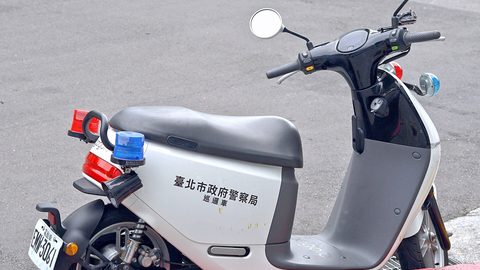 Best Electric Scooters for Adults: Commuter, Heavy Rider and Multi-Modal Picks
The best electric scooter for adults depends entirely on your commute: lightweight folders for train riders, durable tubeless models for daily abuse, and reinforced frames for heavier riders.
Best Electric Scooters for Adults: Commuter, Heavy Rider and Multi-Modal Picks
The best electric scooter for adults depends entirely on your commute: lightweight folders for train riders, durable tubeless models for daily abuse, and reinforced frames for heavier riders.
-
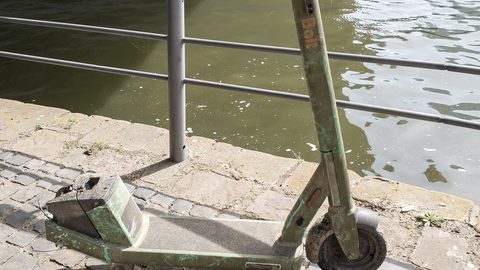 Best Electric Scooter: The Models That Earn Their Spec Sheet in the Real World
The best electric scooter is the one whose real range, brake type, and stem durability match what the spec sheet promises. We compare the models that deliver.
Best Electric Scooter: The Models That Earn Their Spec Sheet in the Real World
The best electric scooter is the one whose real range, brake type, and stem durability match what the spec sheet promises. We compare the models that deliver.
-
 Best Electric Scooter Lights for Actually Seeing the Road at Night
Stock scooter lights are position markers, not headlights. The best electric scooter lights mount securely, survive rain, and project a beam you can actually ride by.
Best Electric Scooter Lights for Actually Seeing the Road at Night
Stock scooter lights are position markers, not headlights. The best electric scooter lights mount securely, survive rain, and project a beam you can actually ride by.