California Electric Scooter Rules: Driver's Licence, Helmet Requirement and Where to Ride
California requires e-scooter riders to be 16+, hold a driver's licence, and stay off pavements. The speed limit is 15 mph. Helmets are mandatory for under-18s.
California Electric Scooter Rules: Age, Helmet and Bike Lane Laws
You cannot ride an electric scooter anywhere you would ride a bicycle in California. The rules are set by the California Vehicle Code, sections 21220 through 21235, and they diverge from bike law in ways that get riders cited. This guide covers the state baseline: age, licensing, helmets, where you can ride, and the speed limits you must obey. Cities like San Francisco and Santa Monica layer on stricter rules, but the state code is the floor.
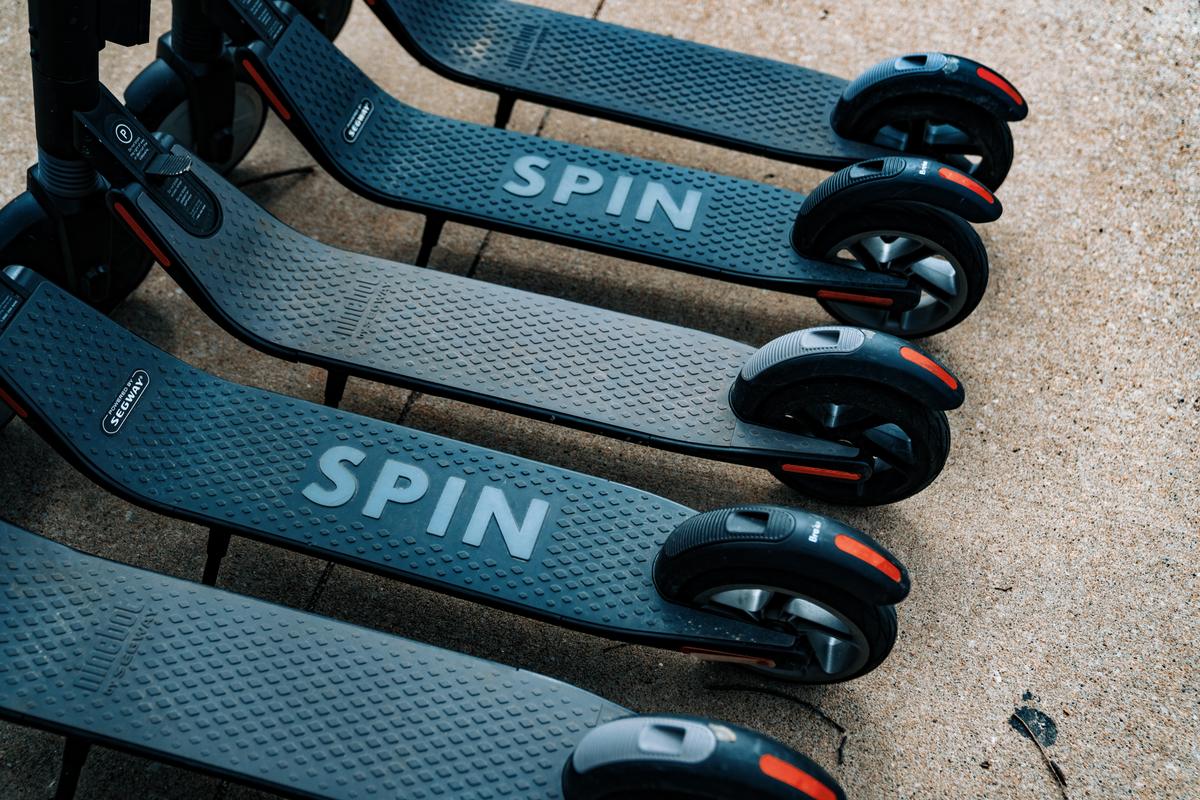
.jpg)
California E-Scooter Law: The State Baseline Under CVC §21235
The governing statute is CVC §21235, enacted through AB 2989 in 2018. It defines a motorized scooter as a two-wheeled device with handlebars, a floorboard, and a motor of no more than 750 watts. The machine must be incapable of exceeding 20 mph on level ground. A scooter that exceeds either figure is not a legal motorized scooter under state law. It cannot be operated on public roads, bike lanes, or bike paths.
Rider Age, Licensing, And Passenger Rules
You must be at least 16. You must hold a valid instruction permit or driver credential. You must not carry a passenger. You must not ride on a sidewalk unless a local ordinance explicitly permits it, and almost none do.
Speed Limits And Required Equipment
On any bikeway or on a road with a posted limit above 25 mph, the scooter speed cap is 15 mph. On a road posted at 25 mph or lower, the scooter may travel up to 25 mph. The machine must carry a brake that stops it within 25 feet from 10 mph. At night, you need a white front light visible from 300 feet, a red rear reflector visible from 500 feet, and amber or white side reflectors visible from 200 feet.
Ca Scooter Helmet Requirement: When You Must Wear One
Under 18, you wear a helmet. Period. It must meet DOT, Snell, or ANSI Z90.4 standards. A bicycle helmet certified to CPSC is not enough for a minor on a scooter in California.
For adults, the rule shifts. A helmet is mandatory only on a scooter capable of exceeding 15 mph. Most standing rental models are governed below that, so many adult riders face no state helmet mandate. Cities can override this. San Francisco requires a helmet for every rider, regardless of age. Even where the law does not demand one, wear a DOT or Snell helmet. Head trauma is the dominant injury in scooter crashes, and a helmet is the single intervention that changes the outcome.
| Where | Allowed | Speed Limit | Notes |
|---|---|---|---|
| Sidewalk | No (statewide) | N/A | Local cities may permit by ordinance; most do not. Riding on a sidewalk is a citation in Los Angeles (LAPD) and San Francisco (SFMTA). |
| Class I Bike Path (paved, separated from road) | Yes | 15 mph | Yield to pedestrians. Do not pass another rider on the left. |
| Class II Bike Lane (striped lane on roadway) | Yes | 15 mph | Use the bike lane when one is present. Stay out of the adjacent travel lane. |
| Class IV Bike Lane (separated cycletrack) | Yes | 15 mph | Same rules as Class I. Watch for crossing vehicles at intersections. |
| Road with speed limit 25 mph or lower | Yes | 25 mph | The scooter's mechanical governor at 20 mph may set the real limit. |
| Road with speed limit over 25 mph | Yes | 15 mph | Legal but dangerous on roads posted at 35 mph or higher. |
Scooter Speed Limit California: What the Law Actually Says
The law caps you at 15 mph on any bikeway and on any road posted above 25 mph. On a road posted at 25 mph or less, you may ride up to 25 mph. Ignore the 25 mph figure for rental machines. Bird, Lime, and Spin govern their fleets to 15 mph, and most commuter scooters carry a mechanical limit of 20 mph on level ground.
The 15 mph bike-lane limit is the one enforcement targets. The Vehicle Code sets no handlebar-height rule and no maximum weight for a motorized scooter. The 750-watt motor ceiling, however, is absolute. A motor rated above 750 watts removes the machine from the motorized-scooter definition under CVC §21235. It becomes an unregistered motor vehicle and cannot be used on public roads or bike lanes.
Driver's License Requirement and DUI on a Scooter
California law says you must hold a valid instruction permit or driver credential to operate an electric scooter. In practice, this is not enforced for rental users, and the DMV has issued no guidance making a license mandatory for scooter operation on public roads. Do not rely on that leniency for the DUI statute. It applies to scooters exactly as it applies to cars.
CVC §21221.5 makes it illegal to operate a motorized scooter with a blood alcohol concentration of 0.08% or higher. The penalties mirror a vehicle DUI: suspension of your driving privilege, fines, and possible jail time. The LAPD and CHP treat a scooter DUI as a moving violation, not a traffic infraction. There is no lower threshold for scooters. The law also prohibits riding while under the influence of drugs, including marijuana. A conviction can cost you your driving privilege even if you were not in a car when stopped. Expect the same field sobriety tests and chemical tests a driver faces.
California E-Scooter Rules: Local City Add-Ons
State law is the floor. Cities can, and do, add restrictions. San Francisco requires a helmet for all riders, bans sidewalk riding outright, and enforces designated parking zones for rental machines. Santa Monica caps the rental fleet size and mandates corral parking. Some cities have banned rental scooters entirely. Beverly Hills and Manhattan Beach are two. Others have cut speed limits on specific paths: the Santa Monica Beach path holds you to 10 mph.
Before you ride in any city, find the local ordinance. The police department in that city, not the CHP, handles most scooter violations.
Who Should Follow These Rules and Who Should Skip
These rules apply to anyone riding a standing electric scooter on public roads, bike lanes, or bike paths in California. They suit urban commuters replacing public transport or car trips under 10 km who need real range at their weight, water resistance, and local legality. They suit fleet operators and buyers evaluating total cost of ownership. They suit parents buying for a teenager who need to understand speed governors, minimum rider weight for stability, and helmet standards.
These rules do not apply to anyone seeking seated electric mopeds, e-bikes, or electric motorcycles. Those are different vehicle categories with different regulations. They do not suit anyone wanting a mobility aid for disability. Standing scooters are not medical devices and lack the stability and regulation required. They do not suit anyone expecting a toy under a couple hundred dollars that will last. The subject here is vehicles, not disposable gadgets. The single thing that most often goes wrong: riding on a sidewalk and getting a citation from LAPD or SFMTA, which can cost over $200.
Common Questions
Can I ride an electric scooter on a sidewalk in California?
No, unless a local city ordinance explicitly permits it. State law (CVC §21235) prohibits sidewalk riding. Los Angeles, San Francisco, and San Diego have not passed such an ordinance, so riding on a sidewalk is illegal and will get you cited.
Do I need a driver's license to ride an electric scooter in California?
No. The law says you must hold a valid permit or credential, but this is not enforced for scooter riders. You do not need to carry one while riding. The DMV does not classify scooters as motor vehicles requiring a license.
What is the helmet requirement for an adult riding a scooter in California?
For riders 18 and older, a helmet is required only if the scooter is capable of exceeding 15 mph. Most standing scooters are not, so adult riders face no state helmet mandate. Local cities like San Francisco require all riders to wear one.
Can I ride an electric scooter on a bike lane in California?
Yes, on any Class I, II, or IV bikeway. The speed limit on all bikeways is 15 mph. You must use a bike lane when one is present; you cannot ride in the main travel lane if a bike lane exists.
What happens if I get a DUI on a scooter in California?
A scooter DUI carries the same charge as a car DUI. The blood alcohol limit is 0.08%. Penalties include suspension of your driving privilege, fines, and possible jail time. Officers can administer field sobriety tests and chemical tests.
Read next
-
 Electric Scooter Laws by Country, State and City 2025
Electric scooter laws vary by country, state and city. This hub routes you to the current rules for your jurisdiction, what is enforced, and what changed recently.
Electric Scooter Laws by Country, State and City 2025
Electric scooter laws vary by country, state and city. This hub routes you to the current rules for your jurisdiction, what is enforced, and what changed recently.
-
 Long Range Electric Scooters With Owner-Reported Distance at Real Rider Weight
Long-range electric scooters ranked by owner-reported distance at a real rider weight, not the manufacturer's 60 kg eco-mode claim, with battery capacity in watt-hours.
Long Range Electric Scooters With Owner-Reported Distance at Real Rider Weight
Long-range electric scooters ranked by owner-reported distance at a real rider weight, not the manufacturer's 60 kg eco-mode claim, with battery capacity in watt-hours.
-
 Best Electric Scooters for Adults: Commuter, Heavy Rider and Multi-Modal Picks
The best electric scooter for adults depends entirely on your commute: lightweight folders for train riders, durable tubeless models for daily abuse, and reinforced frames for heavier riders.
Best Electric Scooters for Adults: Commuter, Heavy Rider and Multi-Modal Picks
The best electric scooter for adults depends entirely on your commute: lightweight folders for train riders, durable tubeless models for daily abuse, and reinforced frames for heavier riders.
-
 Best Electric Scooter: The Models That Earn Their Spec Sheet in the Real World
The best electric scooter is the one whose real range, brake type, and stem durability match what the spec sheet promises. We compare the models that deliver.
Best Electric Scooter: The Models That Earn Their Spec Sheet in the Real World
The best electric scooter is the one whose real range, brake type, and stem durability match what the spec sheet promises. We compare the models that deliver.
-
 Best Electric Scooter Lights for Actually Seeing the Road at Night
Stock scooter lights are position markers, not headlights. The best electric scooter lights mount securely, survive rain, and project a beam you can actually ride by.
Best Electric Scooter Lights for Actually Seeing the Road at Night
Stock scooter lights are position markers, not headlights. The best electric scooter lights mount securely, survive rain, and project a beam you can actually ride by.