How to Replace an Electric Scooter Tyre: Pneumatic, Tubeless, and Solid Tyre Fitting
A practical guide to replacing pneumatic, tubeless, and solid electric scooter tyres, with fitting techniques for each type and advice on when a repair shop is the better option.
How to Replace an Electric Scooter Tyre: Pneumatic, Tubeless, and Solid Tyre Fitting
You hit a pothole at 25 km/h, the front rim bottoms out, and you hear the hiss. That is a pinch flat. It happens because the tyre was too soft for the impact. The fix is the same whether you ride a Xiaomi Mi M365, a Ninebot Max G30, or a Niu KQi3 Max: identify your tyre type first. The procedure for a tubed split rim is entirely different from seating a tubeless bead or softening a solid tyre. Here is how to replace each one, the tools you need, and which type suits your riding.
Identifying Your Scooter Tyre Type
Before you touch a tool, confirm what is on the wheel. Three tyre types dominate the category.
Pneumatic inner-tube tyres are the default on most scooters in the budget to mid-range band. The tyre holds an inner tube inflated to 30-50 psi. The tube is the part that fails: pinch flats from low inflation, punctures from debris, valve stem tears from rim slippage. The Xiaomi Mi M365, the Gotrax G4, and the Fluid Freeride Horizon all ship with this system.
Tubeless pneumatic tyres have no inner tube; the tyre bead seals directly against the rim. The Niu KQi3 Max and some Ninebot Max variants use this design with a pre-applied self-healing gel layer inside the tread area. Bead leaks after a side impact are the common failure mode. Repair usually means adding sealant or reseating the bead.
Solid tyres are honeycomb or polyurethane. They require no air and eliminate flats entirely. They also transmit every road vibration through the frame and stem, reduce wet grip, and are difficult to install. The compound must be softened in boiling water or with a heat gun. Solid tyres are a retrofit choice on budget scooters or a factory fit on some fleet-grade models like the Okai Neon Pro.
Pneumatic Inner Tube Replacement: The Pinch Flat Repair
The inner tube pinch flat is the universal owner experience on standing electric scooters. It is caused by a single error: riding with inflation below the minimum for your weight. A 75 kg rider at 30 psi on a 10×2.5-inch tyre has enough air volume to absorb a kerb strike. The same rider at 18 psi does not. The rim contacts the ground, the tyre pinches the tube against the rim edge, and the tube tears. The fix is a tube swap, and the procedure varies by rim design.
Split Rim Hub Motor: Xiaomi Mi M365 and Ninebot Max G30
The Xiaomi Mi M365 uses a split rim: two aluminium halves bolted together with 5-6 M4 or M5 hex socket cap screws. The motor cable passes through the hollow axle, so you cannot remove the wheel from the scooter without disconnecting the motor phase wires (colour-coded blue, green, yellow) and hall sensor wires (red, black, blue, green, yellow). Mark the wire positions before disconnecting.
Procedure: Deflate the tyre completely. Remove the split-rim screws (torque is 4-8 Nm) and use a medium-strength (blue) threadlocker when reassembling. Separate the rim halves. Remove the old tube. Inspect the inside of the tyre for debris. Fit the new tube, partially inflate it to 10 psi to remove wrinkles, then seat it evenly inside the tyre. Align the rim halves, ensuring the valve stem sits straight in its slot, and tighten the screws in a star pattern to the specified torque. Inflate to the figure marked on the tyre sidewall, 30-50 psi.
One-Piece Rim: Niu KQi3 Max and Tubeless Scooters
Tubeless scooters with a one-piece rim require tyre levers to break the bead. The Niu KQi3 Max uses Schrader valves (car-type) or Presta valves (narrow bicycle-type), and some models have angled valve extensions on split-rim hub motors. Deflate, lubricate the bead seat with soapy water, and use tyre spoons (motorcycle or bicycle type) to work one side of the tyre bead over the rim edge. Remove the old tyre, inspect the rim for deformation, fit the new tyre, and seat the bead by inflating to the maximum rated level. Listen for the popping sound as the bead locks against the rim. Reduce to the recommended figure for riding.
If the bead will not seat, the rim may be deformed. That is the stop condition: a deformed rim or a bead that will not hold air means a shop with a tyre press is the only option.
Tubeless Scooter Tyre Bead Leak: Diagnosis and Repair
A tubeless scooter tyre bead leak shows as a slow loss, 5 psi overnight, with no visible puncture in the tread. The cause is a side impact that deforms the rim flange or dries out the sealant. Diagnosis requires a water bath: remove the wheel, inflate the tyre to 40 psi, submerge it in a tub or bucket, and watch for bubbles at the bead line.
Repair: deflate, clean the rim flange and tyre bead with a degreaser, apply a bead-sealing compound or add tubeless sealant through the valve stem. Re-inflate to 50 psi to reseat the bead, then reduce to riding level. If the leak persists after two attempts, the rim is deformed and must be replaced.
Sealant compatibility is not universal. Some rubber compounds used in scooter tyres react poorly with certain sealants; check the manufacturer’s recommendation. Self-healing tyre gel layers, like those pre-applied on Ninebot Max tyres, can be refreshed with a compatible sealant injection.
Solid Scooter Tyre Installation: The Boiling Water Method
Solid scooter tyre installation is the most physically demanding tyre change on a standing electric scooter. The polyurethane or honeycomb compound is rigid at room temperature and must be softened to stretch over the rim. Two reliable methods work.
Boiling Water Method
Bring a large pot of water to a rolling boil. Submerge the solid tyre for 5-7 minutes. Remove with tongs (the compound is hot and retains heat for several minutes). Work quickly: fit one side of the tyre onto the rim using tyre spoons, then lever the second side over the rim edge. The zip-tie method helps: wrap 6-8 heavy-duty zip ties around the circumference of the tyre to compress the bead and reduce the effective diameter, then cut and remove the ties after the tyre is seated.
Heat Gun Method
If boiling water is impractical, use a heat gun on a low setting and rotate the tyre continuously to avoid burning the compound. Heat the tyre until it is pliable, 3-5 minutes per section. Wear heat-resistant gloves. The same zip-tie compression technique applies.
Solid tyres transmit significantly more vibration to the frame and stem. Owners who retrofit solid tyres on a Xiaomi Mi M365 report increased stem wobble and reduced range due to higher rolling resistance. The trade-off: no pinch flats, ever, but a harsher ride and longer braking distances in wet conditions.
Tools and Materials for Scooter Tyre Replacement
| Tool | Used For | Typical Cost |
|---|---|---|
| Tyre spoons (tyre levers) | Breaking bead on tubeless tyres, levering solid tyres | £8-15 per set |
| Hex socket set (M4, M5) | Removing split-rim screws | £10-20 |
| Torque wrench (4-8 Nm range) | Tightening split-rim screws to spec | £25-50 |
| Medium-strength threadlocker | Preventing screw loosening on split rims | £5-10 |
| Zip ties (heavy-duty, 8 mm width) | Compressing solid tyre bead during installation | £3-5 |
| Heat gun or large pot for boiling | Softening solid tyres | £15-30 (heat gun) |
| Tubeless tyre sealant | Repairing bead leaks and punctures | £8-15 per bottle |
| Pump with pressure gauge | Inflating to correct psi | £10-25 |
Scooter Inner Tube Pinch Flat Repair: Why It Happens and How to Prevent It
The inner tube pinch flat is the most common field repair because it is caused by a single error: riding with inflation below the minimum for your weight. A 75 kg rider at 30 psi on a 10×2.5-inch tyre has enough air volume to absorb a kerb strike. The same rider at 18 psi does not. The rim contacts the ground, the tyre pinches the tube against the rim edge, and the tube tears.
Prevention: inflate to the figure marked on the tyre sidewall, 30-50 psi. Check weekly. For heavier riders (over 90 kg), run the tyre at the upper end of the marked range. For lightweight riders (under 60 kg), the lower end is acceptable.
Repair procedure for a pinch flat: deflate, remove the wheel, open the split rim (or use tyre levers on a one-piece rim), extract the tube, inspect the inside of the tyre for the impact mark, and replace the tube. Never patch a pinch flat tube. The tear is at the crease line and will reopen under load.
Xiaomi M365 Tyre Change: Split Rim Specifics
The Xiaomi M365 tyre change is the reference procedure for the lightweight commuter class because the scooter has the largest parts ecosystem and the highest owner documentation. The split rim design means you do not need a tyre machine, but you do need to manage the motor cable routing.
Motor cable routing during a tyre change on a hub-motor wheel: the cable passes through the hollow axle. To remove the wheel, disconnect the phase wires and hall sensor wires at the controller end, not at the motor. Slide the cable out of the axle. When reassembling, route the cable through the axle before tightening the axle nut. A misrouted cable can chafe against the rim or be pinched by the split rim halves.
Split-rim screw torque: 4-8 Nm. Use a torque wrench. Overtightening strips the threads in the aluminium rim half; undertightening allows the screws to back out under vibration. Apply blue threadlocker to each screw. The typical screw count is 5-6 per side, M4 or M5 hex socket cap screws.
The Ninebot Max G30 uses a similar split rim design, but the axle nut size and screw torque may differ. Check the owner’s manual for the specific torque value.
Tyre Selection: Which Suits Your Use Case
Pneumatic inner-tube tyres are the best choice for ride quality and wet grip. They absorb road vibration, maintain contact patch on uneven surfaces, and are inexpensive to replace. The trade-off is the pinch flat, the most common field repair on any electric scooter, and the need for weekly checks.
Tubeless pneumatic tyres offer better puncture resistance than inner tubes, especially with self-healing gel layers or sealant. They are the preferred choice for commuters who ride daily and want to reduce flat frequency. The cost is a higher initial tyre price and a bead seating procedure that requires more force than a split rim swap.
Solid tyres eliminate flats entirely, which makes them attractive for fleet operators or riders who cannot tolerate downtime. The cost is harsh ride quality, reduced range, and installation difficulty that often requires a shop. Solid tyres are a retrofit choice on budget scooters or a factory fit on fleet-grade models. They are not recommended for riders who value comfort or wet-weather traction.
The honest caveat: no tyre type is maintenance-free. Pneumatic tyres need inflation checks. Tubeless tyres need sealant top-ups. Solid tyres transmit vibration that can loosen stem bolts and create new problems. The single thing that most often goes wrong, and the one that independent owner reports confirm across every model, is the pinch flat from low inflation. Check your pressure before every ride.
Common Questions
How often should I replace my electric scooter tyre?
High-mileage owner reports indicate 800-2,000 km for the rear pneumatic tyre and 1,500-4,000 km for the front, depending on riding surface and weight. Solid tyres last 3,000-5,000 km. Inspect tread depth visually; most scooter tyres lack tread wear indicators (TWI), so replace when the tread is less than 1 mm deep or when the tyre shows sidewall cracks.
Can I use a bicycle inner tube in my scooter tyre?
No. Bicycle inner tubes are sized for narrower rims and different valve lengths. Scooter tyres use specific tube dimensions matching the tyre size notation (e.g. 10×2.5). Using a bicycle tube risks valve stem tearing and pinch flats at the incorrect fitment.
What psi should I inflate my scooter tyres to?
The figure is marked on the tyre sidewall in psi and bar, 30-50 psi. Inflate to the upper end of the range for heavier riders (over 90 kg) and the lower end for lighter riders (under 60 kg). Check weekly with a gauge; a pump without a gauge is insufficient.
Why will my tubeless tyre bead not seat?
A bead that will not seat after inflating to 50 psi indicates a deformed rim or a tyre bead that is damaged. Remove the tyre, inspect the rim flange for bends or dents, and check the bead wire for breaks. If the rim is deformed, replace it. This is the stop condition that requires a shop with a tyre press.
Can I fit a solid tyre on my Xiaomi Mi M365?
Yes, but the ride quality degrades significantly. Solid tyres transmit vibration to the frame and stem, increase stem wobble on telescopic stems, and reduce wet grip. The installation requires boiling the tyre or using a heat gun. Owners who retrofit solid tyres report increased range loss due to higher rolling resistance.
Read next
-
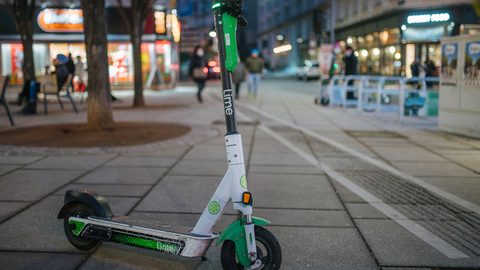 Electric Scooter Repairs Diagnosis Tools and When to Visit a Shop
Route to electric scooter repair guides by symptom: diagnosis order, essential tools, and the clear boundary where a fault requires a professional shop.
Electric Scooter Repairs Diagnosis Tools and When to Visit a Shop
Route to electric scooter repair guides by symptom: diagnosis order, essential tools, and the clear boundary where a fault requires a professional shop.
-
 Long Range Electric Scooters With Owner-Reported Distance at Real Rider Weight
Long-range electric scooters ranked by owner-reported distance at a real rider weight, not the manufacturer's 60 kg eco-mode claim, with battery capacity in watt-hours.
Long Range Electric Scooters With Owner-Reported Distance at Real Rider Weight
Long-range electric scooters ranked by owner-reported distance at a real rider weight, not the manufacturer's 60 kg eco-mode claim, with battery capacity in watt-hours.
-
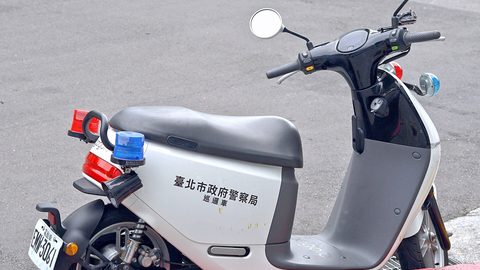 Best Electric Scooters for Adults: Commuter, Heavy Rider and Multi-Modal Picks
The best electric scooter for adults depends entirely on your commute: lightweight folders for train riders, durable tubeless models for daily abuse, and reinforced frames for heavier riders.
Best Electric Scooters for Adults: Commuter, Heavy Rider and Multi-Modal Picks
The best electric scooter for adults depends entirely on your commute: lightweight folders for train riders, durable tubeless models for daily abuse, and reinforced frames for heavier riders.
-
 Best Electric Scooter: The Models That Earn Their Spec Sheet in the Real World
The best electric scooter is the one whose real range, brake type, and stem durability match what the spec sheet promises. We compare the models that deliver.
Best Electric Scooter: The Models That Earn Their Spec Sheet in the Real World
The best electric scooter is the one whose real range, brake type, and stem durability match what the spec sheet promises. We compare the models that deliver.
-
 Best Electric Scooter Lights for Actually Seeing the Road at Night
Stock scooter lights are position markers, not headlights. The best electric scooter lights mount securely, survive rain, and project a beam you can actually ride by.
Best Electric Scooter Lights for Actually Seeing the Road at Night
Stock scooter lights are position markers, not headlights. The best electric scooter lights mount securely, survive rain, and project a beam you can actually ride by.