The NTA-8776 Helmet Standard for Electric Scooters and Speed Pedelecs
NTA-8776 is the only helmet standard written for e-scooter and speed pedelec speeds, testing a larger head area and higher impact energy than EN 1078.
The NTA-8776 Helmet Standard for Electric Scooters and Speed Pedelecs
The NTA-8776 helmet standard is the only certification test written for the speed band where electric scooters and speed pedelecs actually operate: 25 to 45 km/h. Every other common helmet standard, EN 1078 for bicycles, CPSC for skateboards and cycling in the US, was written for slower impacts on smaller head areas. NTA-8776 drops a helmet onto a flat anvil at 6.2 m/s (22.3 km/h), onto a kerbstone anvil at 4.8 m/s (17.3 km/h), and onto a hemispherical anvil at 5.4 m/s (19.4 km/h). EN 1078 tests at 5.42 m/s on flat and 4.57 m/s on kerbstone. That gap in impact energy is the difference between a helmet that absorbs a 25 km/h fall and one designed for a 19 km/h fall. If you ride any machine that can reach 25 km/h, the NTA-8776 marking is not a luxury. It is the only standard that matches the crash you might actually have.
Electric Scooter Helmet Certification: What Makes NTA-8776 Different
Certification matters only when the test simulates the real impact. A bicycle helmet carrying EN 1078 covers the top of the head and nothing else. The standard does not require temple coverage. It does not require coverage for the rear base of the skull, the area where a rider strikes the ground when falling backward off a small deck. NTA-8776 mandates coverage for the temples, the lower rear skull, and partial side-of-head protection. That is a larger headform area by design, because riders fall differently than cyclists. A cyclist pitches forward over the handlebars. A rider standing upright with feet close together on a narrow deck falls sideways or backward, striking the temple or the back of the skull first. EN 1078 and CPSC 16 CFR 1203, both from the late 1990s, were never written for that fall geometry.
The test also includes a dynamic roll-off test identical in procedure to EN 1078. A 10 kg drop mass must not detach the helmet, and the chin strap must not slip more than 25 mm under load. But the higher impact energy of the NTA-8776 flat anvil test means the retention system must hold against a larger force. The standard was first published in 2016 by the Royal Netherlands Standardization Institute (NEN) and revised in 2020. If you see a helmet carrying only an EN 1078 label and you ride a machine that does 25 km/h, you are wearing a helmet certified for a crash 2-3 km/h slower on a head area that may not protect your temple or lower skull at all.
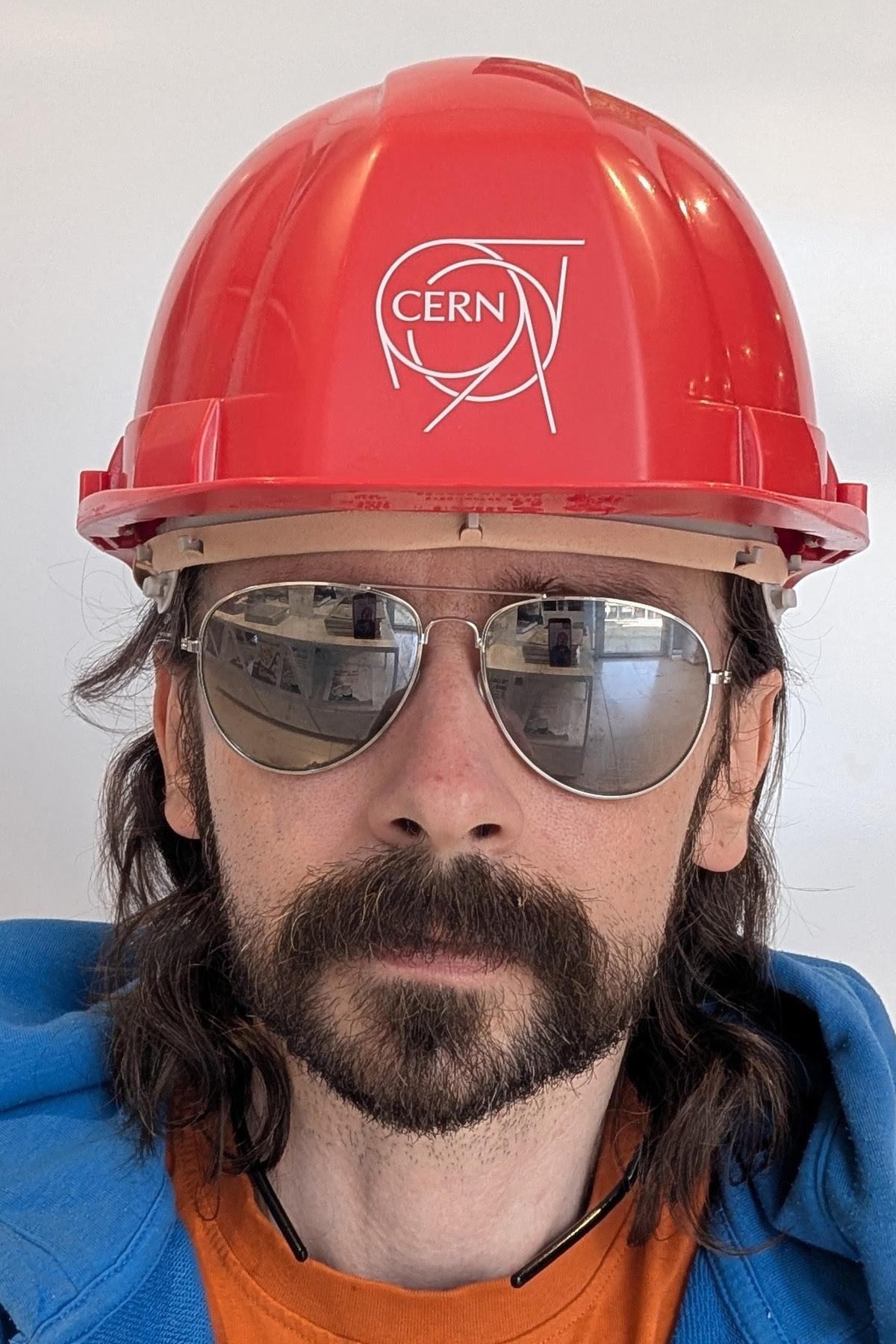

NTA-8776 vs EN 1078: the Critical Test Differences
Impact Energy and Anvil Tests
The practical difference between NTA-8776 and EN 1078 is not a single number but a cascade of test requirements that change what a helmet must do. EN 1078 tests a helmet on a flat anvil at 5.42 m/s (19.5 km/h) and on a kerbstone anvil at 4.57 m/s (16.5 km/h). NTA-8776 tests flat at 6.2 m/s (22.3 km/h), kerbstone at 4.8 m/s (17.3 km/h), and adds a hemispherical anvil test at 5.4 m/s (19.4 km/h). The flat anvil difference alone is a 14% increase in impact energy. That means the foam liner must be thicker, denser, or differently shaped to absorb more kinetic energy before the acceleration measured on the headform exceeds the pass/fail threshold.
Coverage Zones and Retention
More important than velocity is coverage. EN 1078 requires protection only for the area of the head that a line defines from the brow to the nape. Temples and the rear skull are not required. NTA-8776 specifically mandates coverage for the temples and lower rear skull, and the partial side-of-head area. The retention system is tested identically on paper: 10 kg drop mass, 25 mm slippage limit. But the higher impact energy means the helmet must survive the roll-off test at a higher force, which effectively requires a stronger chin strap and buckle. For a rider choosing between two helmets that look similar on a shelf, the certification label is the only way to know if the helmet was tested to cover the head area and impact speed that a crash produces. EN 1078 was not.
| Anvil Type | NTA-8776 (m/s) | EN 1078 (m/s) | CPSC 16 CFR 1203 (m/s) |
|---|---|---|---|
| Flat | 6.2 (22.3 km/h) | 5.42 (19.5 km/h) | 6.2 (22.3 km/h) |
| Kerbstone | 4.8 (17.3 km/h) | 4.57 (16.5 km/h) | 4.8 (17.3 km/h) |
| Hemispherical | 5.4 (19.4 km/h) | Not tested | 4.8 (17.3 km/h) |
Speed Pedelec Helmet Requirements and Why NTA-8776 Fits
Speed pedelecs, e-bikes that assist up to 45 km/h, sit in a regulatory gap in most countries. Standard bicycle helmets are not designed for 45 km/h crashes. Motorcycle helmets, tested to DOT or ECE 22.06, are overbuilt, heavy, and lack the ventilation and visor clarity a speed pedelec rider needs for a 30-minute commuter ride in mixed traffic. NTA-8776 sits between them. It was written for vehicles operating at 25-45 km/h, which includes both e-scooters and speed pedelecs. The test requires a helmet to absorb impacts at speeds a speed pedelec can reach under motor power, without adding the weight or reducing the field of view that a full-face motorcycle helmet imposes.
The Weight Trade-Off
Weight becomes the deciding factor here. A helmet passing NTA-8776 sits in a mid-weight band. A DOT-certified motorcycle helmet weighs over 1300 grams. That extra mass on your neck in a 45 km/h crash changes the twisting forces on the cervical spine. NTA-8776 helmets, because they are designed for the lower speed band, do not need the multi-layer foam and heavy shell that a motorcycle helmet requires. They do need thicker EPS foam than an EN 1078 helmet, and many carry slip-plane systems such as MIPS. For riders who split their commute between a two-wheeler and a train, the weight saving every day matters more than the hypothetical benefit of a heavier helmet certified for high-speed crashes the rider will never have.
E-Scooter Helmet Rotational Protection: Why MIPS Matters at 25 Km/h
Twisting acceleration is not tested by EN 1078 or by CPSC 16 CFR 1203. NTA-8776 includes an oblique impact test with a limit of ≤ 5700 rad/s², though the exact threshold depends on the version of the standard in force. The 2020 revision is the one to look for. What that means in practice: a helmet certified to NTA-8776 must manage not only the linear force of the impact but also the twisting force that rotates the brain inside the skull. That is the mechanism behind concussion in low-speed falls. A 25 km/h crash where a rider's head strikes the kerb at an angle generates twisting acceleration that a helmet without a slip-plane system cannot mitigate.
MIPS, the Multi-directional Impact Protection System, is the most common solution. It places a low-friction layer between the outer shell and the EPS liner that allows the helmet to rotate slightly on the head on impact, reducing twisting acceleration transferred to the brain. Several NTA-8776-certified helmets use MIPS: the Abus Pedelec 2.0 ACE, the Bell Annex MIPS, the Giro Bexley MIPS, and the Lazer Anverz NTA MIPS, among others. Some use alternative reduction systems. The key is to verify that the specific version of the helmet carries the NTA-8776 certification label, not just the MIPS logo. A helmet with MIPS but only an EN 1078 label has twisting protection that was never tested against the higher impact energy or the oblique test protocol that NTA-8776 requires. The presence of MIPS alone does not make a helmet fit for these speeds.
Helmet Fit, Weight, and the Trade-Offs You Live with
A helmet that does not fit is a helmet that does not protect. NTA-8776 tests helmets on a standard headform size. Your head is not a headform. The certification label ensures the helmet passed the impact test; it does not ensure the helmet fits your lower skull, that the temple pads contact properly, or that the chin strap does not shift forward. Fit is the rider's responsibility. The single most common mistake is buying a helmet that is too large in the name of comfort. A helmet that rocks forward when you look up leaves the forehead and temple exposed. A helmet that sits too high leaves the rear skull uncovered.
Weight is the trade-off riders notice every ride, not just in a crash. NTA-8776-certified helmets are heavier than EN 1078 bicycle helmets because the EPS liner must be thicker to absorb the higher impact energy. An NTA-8776 helmet like the Abus Hyban 2.0 or the Bell Annex MIPS sits in a band noticeably above a lightweight commuter bicycle lid. That difference is noticeable on a 40-minute commute, particularly when turning your head to check traffic. The benefit is measurable: the thicker liner is what lets the helmet survive the 6.2 m/s flat anvil test without transmitting fatal acceleration to the skull. Riders who prioritise weight above all else should look at the lighter models in the NTA-8776 list, the Alpina E-Mobility or the Lazer Urbanize NTA, but no NTA-8776 helmet approaches the weight of a bicycle helmet.
Aero Ventilation and Visor Design
Ventilation is the second trade-off. Thicker EPS foam means fewer and smaller vent channels. A helmet like the Specialized Mode or the POC Corpora balances ventilation with coverage by using deep internal channels that route air through the foam rather than cutting large external vent holes that would reduce structural integrity. If you ride in a hot climate and your commute involves any uphill effort, the aero ventilation of the helmet matters more than the graphics on the shell. Look for models with at least four intake vents and an exhaust at the rear. The visor is a separate consideration: a fixed visor adds aero drag and weight but keeps rain out of your eyes; a removable visor lets you choose. The Specialized Centro and the Giro Ethos MIPS both use a fixed visor that works well at 25 km/h without lifting at higher speeds.
Who the NTA-8776 Standard Suits and Who Should Skip it
The NTA-8776 standard suits urban commuters covering a last-mile gap of 3-8 km each way who ride machines that reach 25 km/h. It suits multi-modal riders who carry the vehicle onto trains or into an office and need a helmet that protects without the weight of a motorcycle helmet. It suits parents buying for a teenager who needs to understand the difference between a helmet that looks cool and one that covers the lower rear skull. It suits fleet operators who need a single certification standard for bulk purchases across multiple jurisdictions.
Skip the NTA-8776 standard if you ride an e-bike or e-moped that exceeds 45 km/h. Those need motorcycle helmet certification. Skip it if you are seeking a mobility aid for a disability; these are commuter and recreational standards with no medical certification. Skip it if you expect a weatherproof car replacement and need a helmet for a vehicle that operates in sustained rain; no helmet standard addresses water ingress into the electronics, and the helmet itself will be irrelevant when the throttle fails from water damage. The NTA-8776 standard exists for one purpose: to match the speed and crash geometry of electric scooters and speed pedelecs. If that is what you ride, the certification label is the only honest shortcut through helmet choices.
Common Questions
Can I use an EN 1078 helmet on an e-scooter locked to 25 km/h?
Legally, that depends on your jurisdiction. In many European countries, a bicycle helmet (EN 1078) is compliant for e-scooters capped at 25 km/h. Practically, the EN 1078 standard tests at a lower impact speed and does not require temple or lower rear skull coverage. If your machine can reach 25 km/h under power, a 25 km/h crash is a 25 km/h crash regardless of what the speed limiter says. The NTA-8776 standard was written for that exact impact.
Does every NTA-8776 helmet include rotational protection?
NTA-8776 includes an oblique impact test that measures twisting acceleration, so the helmet must manage twisting forces to pass. Many manufacturers use MIPS to achieve this, but some use proprietary systems. The standard does not mandate a specific technology, only the result. Check the certification label, not the brand of the twisting reduction system.
What is the difference between NTA-8776:2016 and NTA-8776:2020?
The 2020 revision tightened the twisting acceleration limits and clarified the coverage zone for the lower rear skull and temple area. The 2016 version is still valid but the 2020 version is the current standard published by NEN. If a helmet carries only a 2016 label, verify that the coverage and twisting tests match the 2020 requirements. The certifying body can provide the specific test report.
Can I wear a full-face motorcycle helmet for scooter riding?
You can, but a DOT or ECE 22.06 full-face helmet weighs 1300-1600 grams and has very limited ventilation. The weight increases neck strain and reduces situational awareness. For a rider travelling under 45 km/h, the NTA-8776 helmet is the correct tool. A motorcycle helmet is designed for high-speed impacts and is overbuilt for these speeds.
How do I find the certification label on a helmet?
The label is usually on the inside of the shell, under the EPS liner, or on the chin strap. It lists the standard designation (NTA-8776), the year of the standard, and the certifying body code. If the label is missing or only shows EN 1078, the helmet is not certified to NTA-8776. Some helmets carry both EN 1078 and NTA-8776 labels; the NTA-8776 certification is the relevant one for these speeds.
Why does the standard test on three different anvils?
The flat anvil simulates a fall onto a flat road surface. The kerbstone anvil simulates striking a kerb edge, the most common crash scenario. The hemispherical anvil simulates a rounded impact surface like a curb top or rounded obstacle. Each anvil produces a different deformation pattern in the helmet foam, and the helmet must pass all three to earn certification.
What should I look for when fitting an NTA-8776 helmet?
The helmet should sit level on your head, one finger-width above your eyebrow. The temple pads should contact without pressure points. The lower rear of the helmet should cover the bony bump at the base of your skull. The chin strap should form a V under each earlobe and allow no more than one or two fingers between strap and chin. The helmet should not rock forward when you look up or backward when you look down.
Read next
-
 Long Range Electric Scooters With Owner-Reported Distance at Real Rider Weight
Long-range electric scooters ranked by owner-reported distance at a real rider weight, not the manufacturer's 60 kg eco-mode claim, with battery capacity in watt-hours.
Long Range Electric Scooters With Owner-Reported Distance at Real Rider Weight
Long-range electric scooters ranked by owner-reported distance at a real rider weight, not the manufacturer's 60 kg eco-mode claim, with battery capacity in watt-hours.
-
 Best Electric Scooters for Adults: Commuter, Heavy Rider and Multi-Modal Picks
The best electric scooter for adults depends entirely on your commute: lightweight folders for train riders, durable tubeless models for daily abuse, and reinforced frames for heavier riders.
Best Electric Scooters for Adults: Commuter, Heavy Rider and Multi-Modal Picks
The best electric scooter for adults depends entirely on your commute: lightweight folders for train riders, durable tubeless models for daily abuse, and reinforced frames for heavier riders.
-
 Best Electric Scooter: The Models That Earn Their Spec Sheet in the Real World
The best electric scooter is the one whose real range, brake type, and stem durability match what the spec sheet promises. We compare the models that deliver.
Best Electric Scooter: The Models That Earn Their Spec Sheet in the Real World
The best electric scooter is the one whose real range, brake type, and stem durability match what the spec sheet promises. We compare the models that deliver.
-
 Best Electric Scooter Lights for Actually Seeing the Road at Night
Stock scooter lights are position markers, not headlights. The best electric scooter lights mount securely, survive rain, and project a beam you can actually ride by.
Best Electric Scooter Lights for Actually Seeing the Road at Night
Stock scooter lights are position markers, not headlights. The best electric scooter lights mount securely, survive rain, and project a beam you can actually ride by.